
The Monaro is home to the threatened ecological community of natural temperate grasslands, of which, 1% remain in-tact. These areas are highly diverse and beautiful, being home to countless unique flowering forbs and colourful grassland fauna, including earless dragons.
We are working to raise local awareness and appreciation of this threatened ecological community, with a focus on mitigating the risks facing it, and educating the community about their importance and educating ourselves about how best to manage these special areas. You can read about our school’s program on grassland earless dragons HERE
Posts about grassland projects can be seen HERE
The main threats to grassland ecosystems are land clearing, overgrazing, changed land management since colonisation, and exotic weed invasion. Landcare has worked hard to address the threats of the invasive weed African Lovegrass, which can be read about below.
African Lovegrass
African Lovegrass (Eragrostis curvula) is an invasive, summer active tussock which has spread widely across the Monaro grassland and grassy woodland plain.
It occupies bare, low fertility soil, and outcompetes native pastures, creating a monoculture and pushing out many local animal species which once called this unique landscape home.
It is a threat to productive grazing as it transforms pastures into a low nutrition monoculture, which is unpalatable to stock most months of the year. This is an exacerbated issue in our region as the large tussocks freeze in winter and dry out in summer, creating large amounts of inedible biomass, which are highly flammable. Lovegrass fires are far more deadly than typical grass fires, and now threaten many assets across the region.
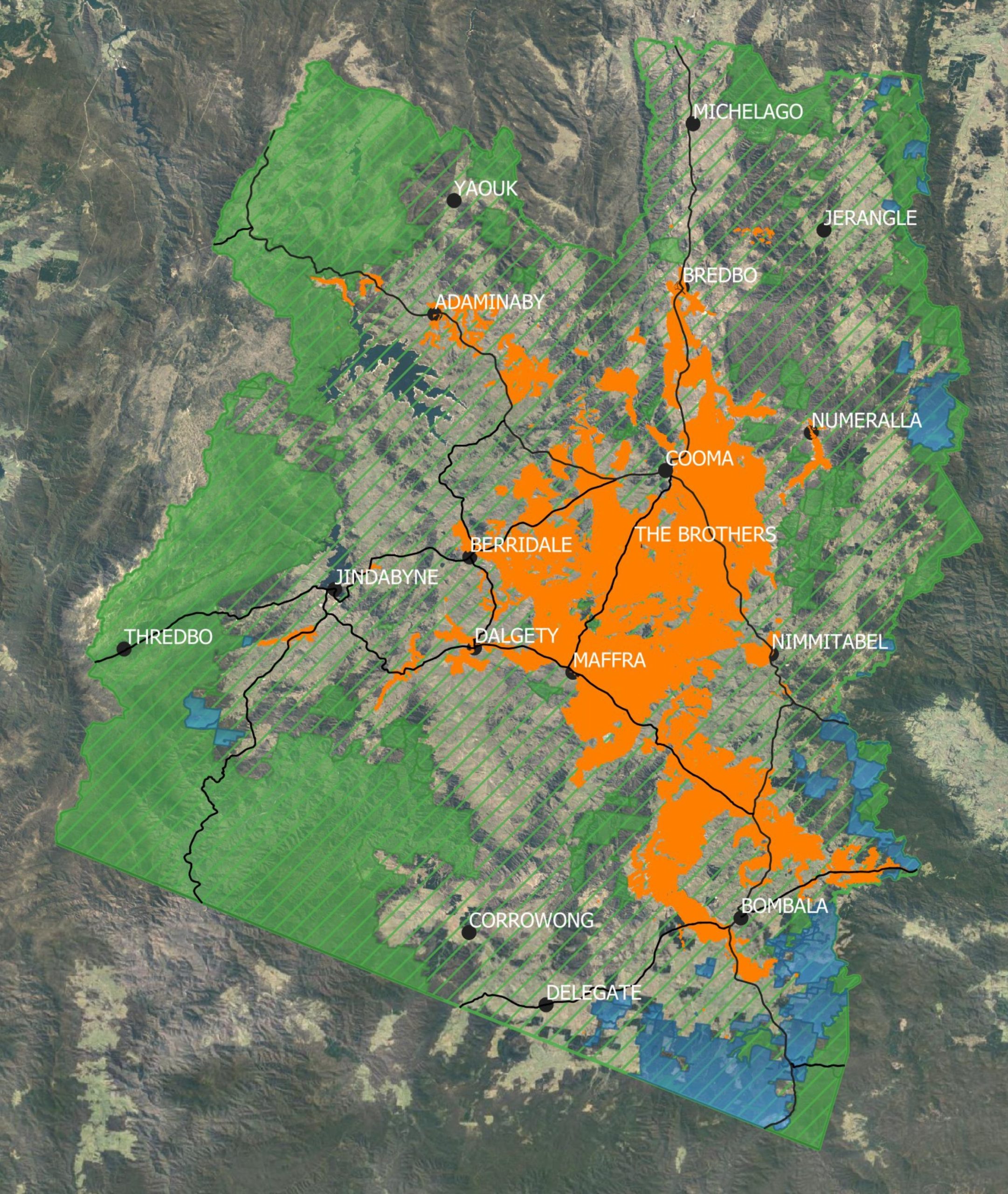
USLN currently works as part of the ALG Taskforce Committee, alongside local landholders, NSW Farmers, RFS, LLS and Snowy Monaro Regional Council to improve our understanding of the spread of ALG through improved mapping across the landscape and increased awareness of best practice management across whole farm areas. The group has proven to be a great way of connecting different groups engaged in managing this problem and we are now seeing the emergence of collaborative problem solving through practical recommendations suited to the region.
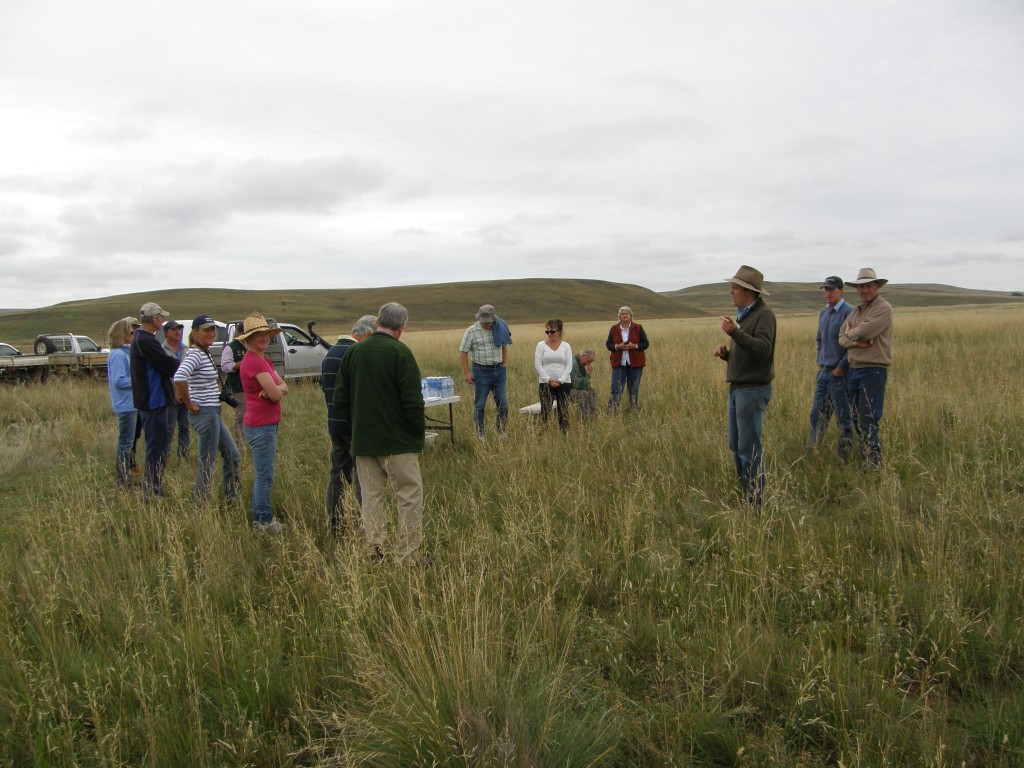
In the past we have held field days and been involved with Lachlan Ingram from the University of Sydney in researching ALG. This work helped us arrive where we are today, with initial on-ground reports detailing what has and hasn’t worked regarding lovegrass.
If you’d like to find out more about African Lovegrass there are some articles linked here:
- http://www.dpi.nsw.gov.au/agriculture/pests-weeds/weeds/profiles/african-lovegrass
- http://www.daff.qld.gov.au/plants/weeds-pest-animals-ants/weeds/a-z-listing-of-weeds/photo-guide-to-weeds/african-lovegrass
- http://www.weeds.org.au/cgi-bin/weedident.cgi?tpl=plant.tpl&card=G05
- DPI – Lovegrass Management
- Cooma Council – Lovegrass Facts
- Qld DPI – Pest Plant Fact Sheet